
How to order
From WhatsApp to a Qingdao reefer.
They are not two brands of the same bag. One is mostly a US domestic story. The other is the world’s export reefer crop.
China accounts for most of the world’s garlic exports (HS 070320). Jinxiang in Shandong is the packing and trade centre. California garlic — Gilroy and the surrounding valleys — is a US crop sold heavily into North American retail and food service as a domestic origin.
That is a volume fact, not a quality insult. Buyers who need “grown in the USA” on the shelf are not our customer. Buyers who need a 40' reefer of 5.5 cm white into Jakarta or Jebel Ali are.
| Jinxiang / China export | California (typical) | |
|---|---|---|
| Harvest | Late May–June | Summer, shorter domestic window |
| Year-round | −3 °C cold store through next May | Domestic crop + imports to fill gaps |
| How it moves | Qingdao reefer, FOB/CIF | Truck / domestic DC, retail packs |
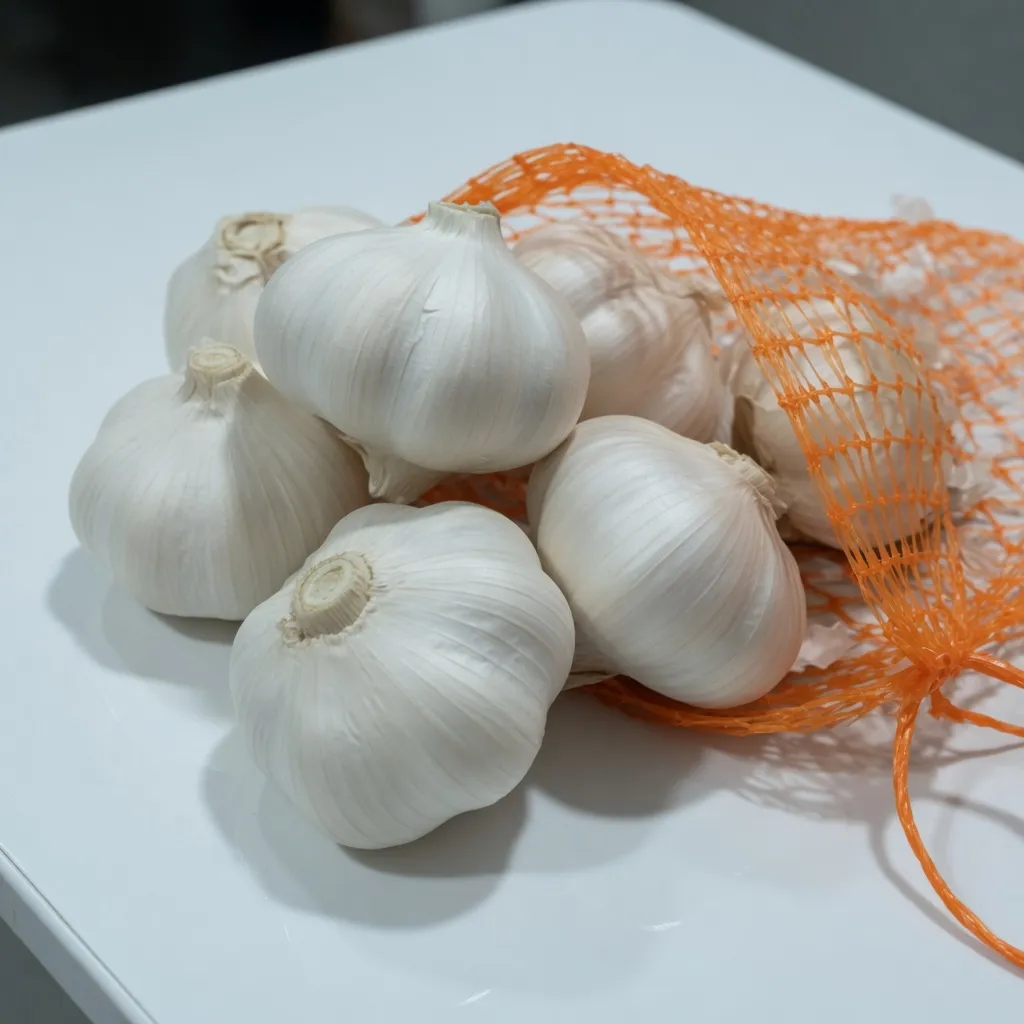
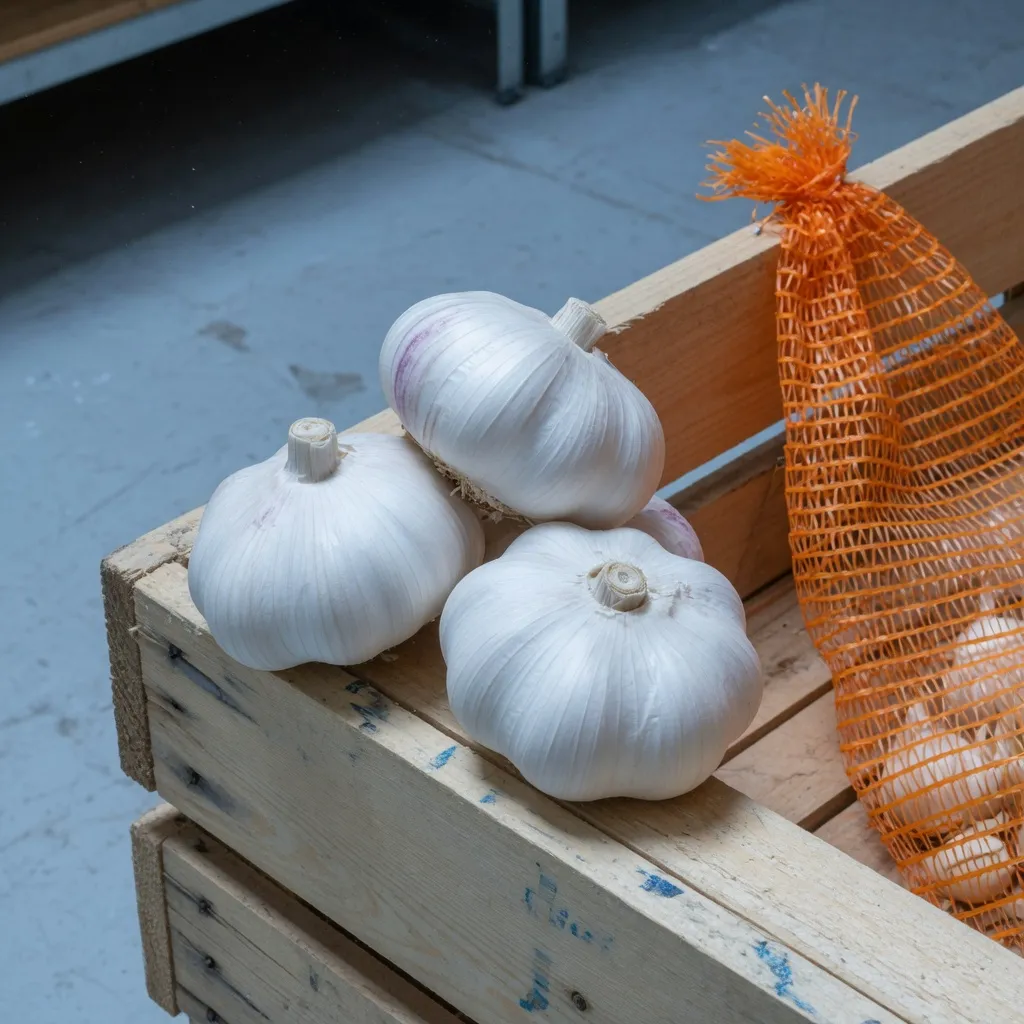
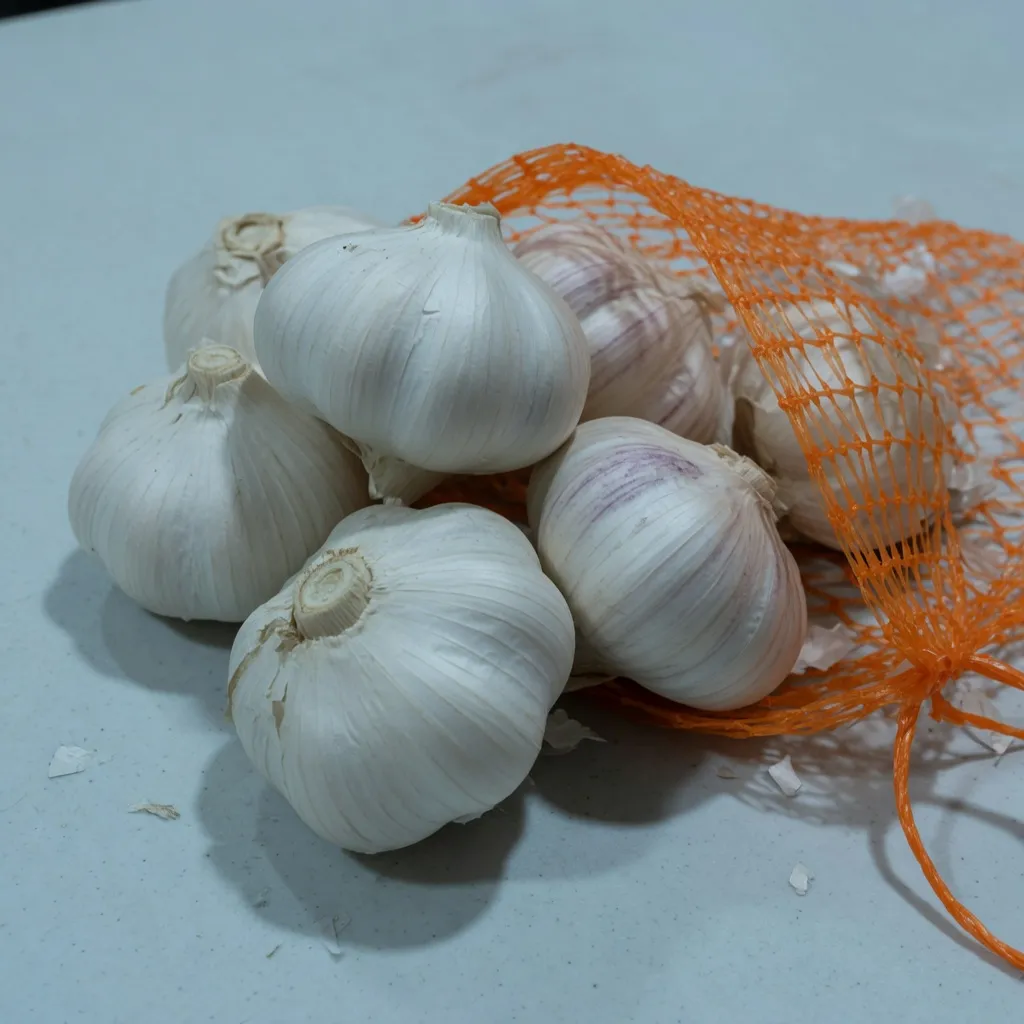
Export Chinese garlic is a millimetre product: 4.5, 5.0, 5.5, 6.0, 6.5 cm, mesh or carton, new crop or store. California retail is often sold as a brand, a bag count, and an origin claim.
Clove count, pungency and appearance vary by cultivar and season in both places. Do not use “Chinese garlic has no flavour” or “California is always cleaner” as a spec. Use a grade, a residue test, and a packing list.
If you are filling a US programme that used to be California, talk to the buyer about origin labelling before you switch. If you are filling an import programme, start with importers and how to order.
Same species, different job. California lots are often a domestic US retail story. Jinxiang lots are export reefers sold by the millimetre.
Chinese export bulbs are the bulk world supply. Do not expect a California retail bag price on a 40' reefer, or the reverse.
Only if your buyer accepts origin, size grade and residue paperwork. Ask them before you switch.