
Nitrogen-Packed Peeled Garlic for European Kitchens
500 g nitrogen bags are a common EU food-service pack. They do not ride the same reefer programme as whole bulbs.
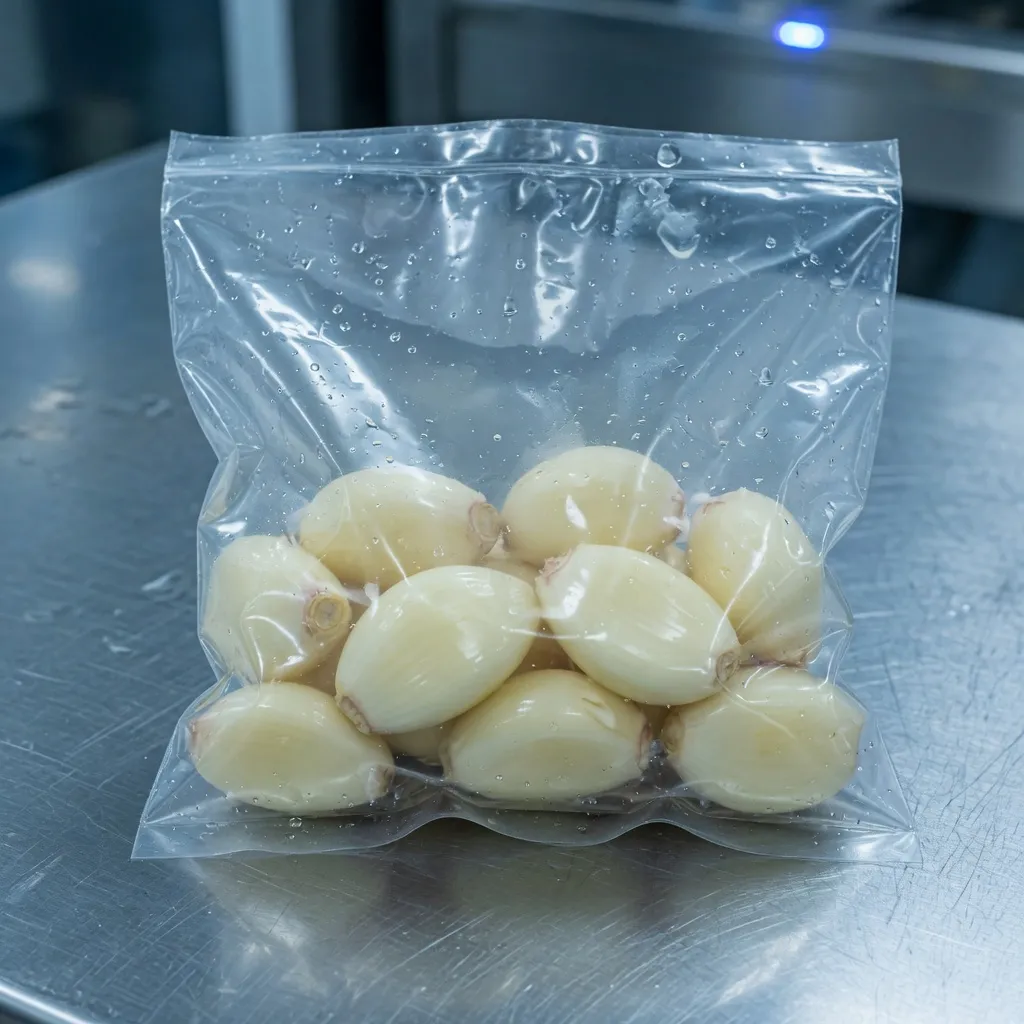
European kitchens and processors often want cloves, not bulbs. Nitrogen-flushed 500 g bags are a standard ask. Vacuum 1 kg and 5 kg factory bags sit next to them.
Why nitrogen
A flush slows browning and keeps cloves from crushing in the carton. It is not a magic 12-month ambient shelf. Remaining life depends on pack date and the chilled chain.
Common bag sizes
| Pack | Who buys it |
|---|---|
| 250 g N2 | Retail / small food service |
| 500 g N2 | EU kitchens — the usual quote |
| 1 kg vacuum | Processors |
| 5 kg bulk | High-volume kitchens |
Temperature
Peeled cloves are a chilled booking, typically 0–2 °C. Do not copy a −3 °C whole-bulb setpoint onto peeled garlic unless we say the lot can take it.
What EU buyers should ask
Residue limits, remaining shelf life, and bag count per carton. Start with 500 g nitrogen or the Rotterdam page.
Related news
2026 New Crop Jinxiang Garlic: When Packing Actually Starts
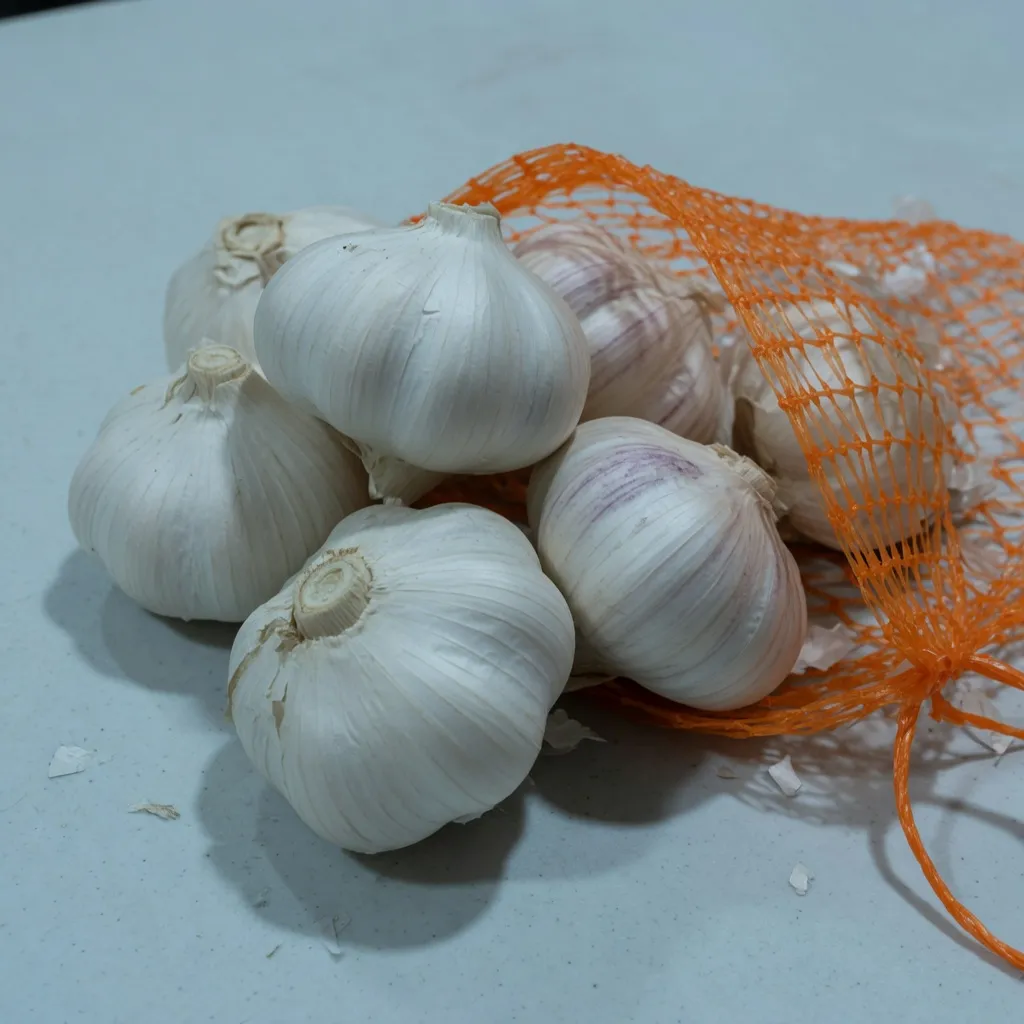
Harvest still sits in late May–June. A quote in March is a position, not a pile on the floor.
Chinese Garlic FOB Bands for 2026 Export Buyers
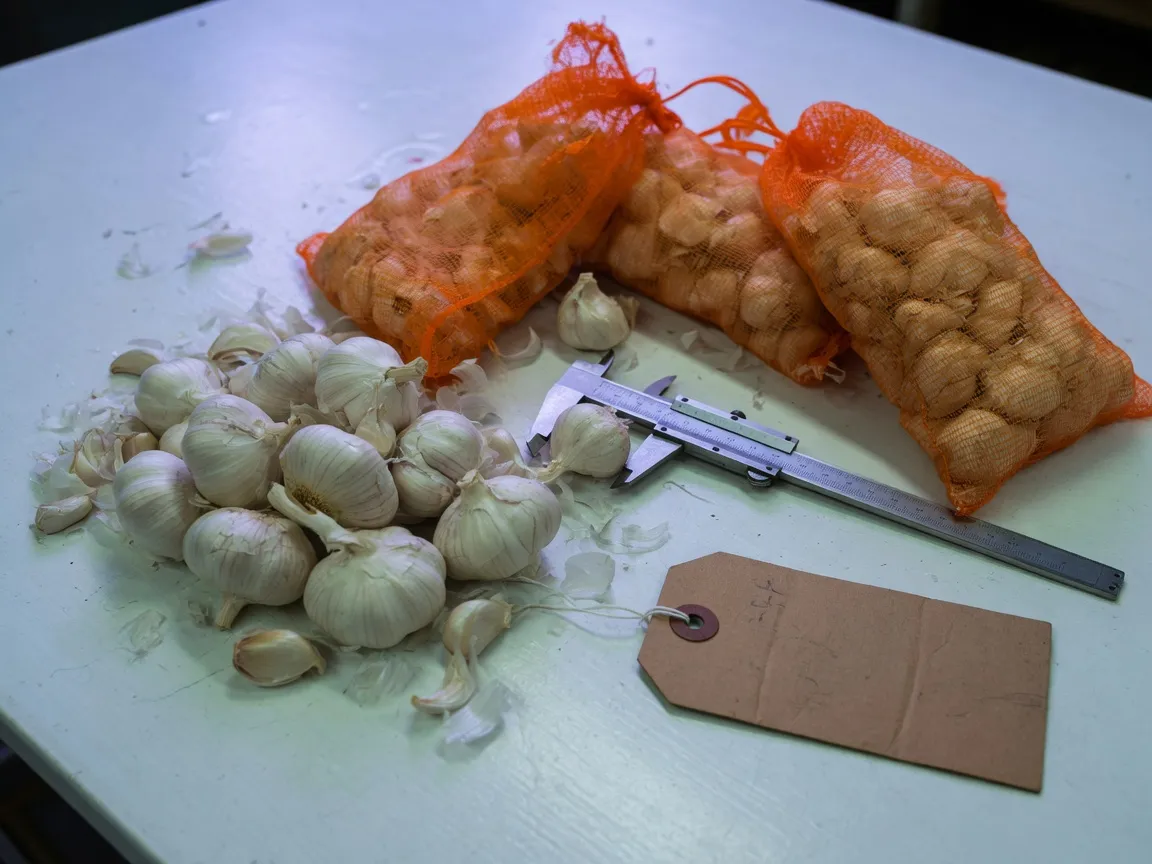
Public 2025–2026 listings sat roughly $550–$1,200 per ton for whole bulbs. Size and crop year move the number.

Why Indonesia Buys Jinxiang White Garlic by the Reefer
Indonesia is the volume market for Chinese fresh garlic. Buyers book cabinets, not supermarket bags.
Export destinations
FAQ
What is the usual order size?
Fresh garlic is usually sold by the 40-foot reefer, about 26–28 metric tons depending on pack. Peeled and black garlic can be smaller. Say the port and the pack.
Do you publish prices?
Each lot page shows a FOB China band. Garlic moves with crop year and size. CIF is quoted for a named port.
New crop or cold-store?
New crop runs roughly June to September. From September we ship from −3 °C store through the next May.