
New Crop vs Cold-Store Garlic: What Buyers Should Ask
Same cultivar, different month. Cold-store garlic is how China supplies January — if the store is run at −3 °C.
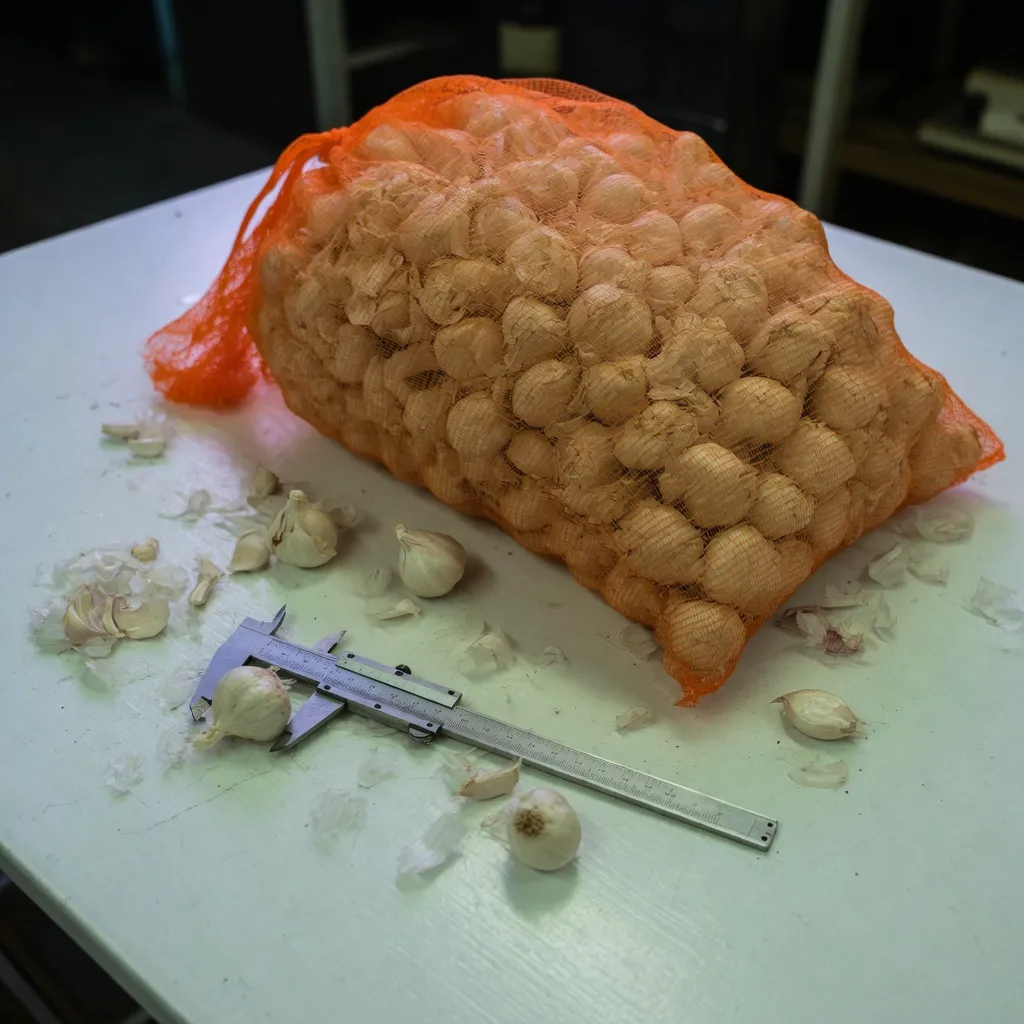
New-crop packing runs June–September. From September through the next May, export lots come out of cold store. Buyers who only type “new crop” into a search box miss half the year.
The calendar
Plant in autumn, harvest late May–June, pack through summer, store at −3 °C. That is the Jinxiang year. It is not a numbered factory cartoon.
What to ask the store
- Intake month
- Setpoint (−3 °C is the usual whole-bulb number)
- Remaining life on the lot
- Whether the size was graded at intake or re-graded at load
Price
New crop and late store garlic are not the same FOB. Moisture and availability move. Bands on product pages cover both; the quote names which one you get.
When to prefer which
June–August if you want new crop. October–April if you need a cabinet and the store is honest. Read the longer guide.
Related news
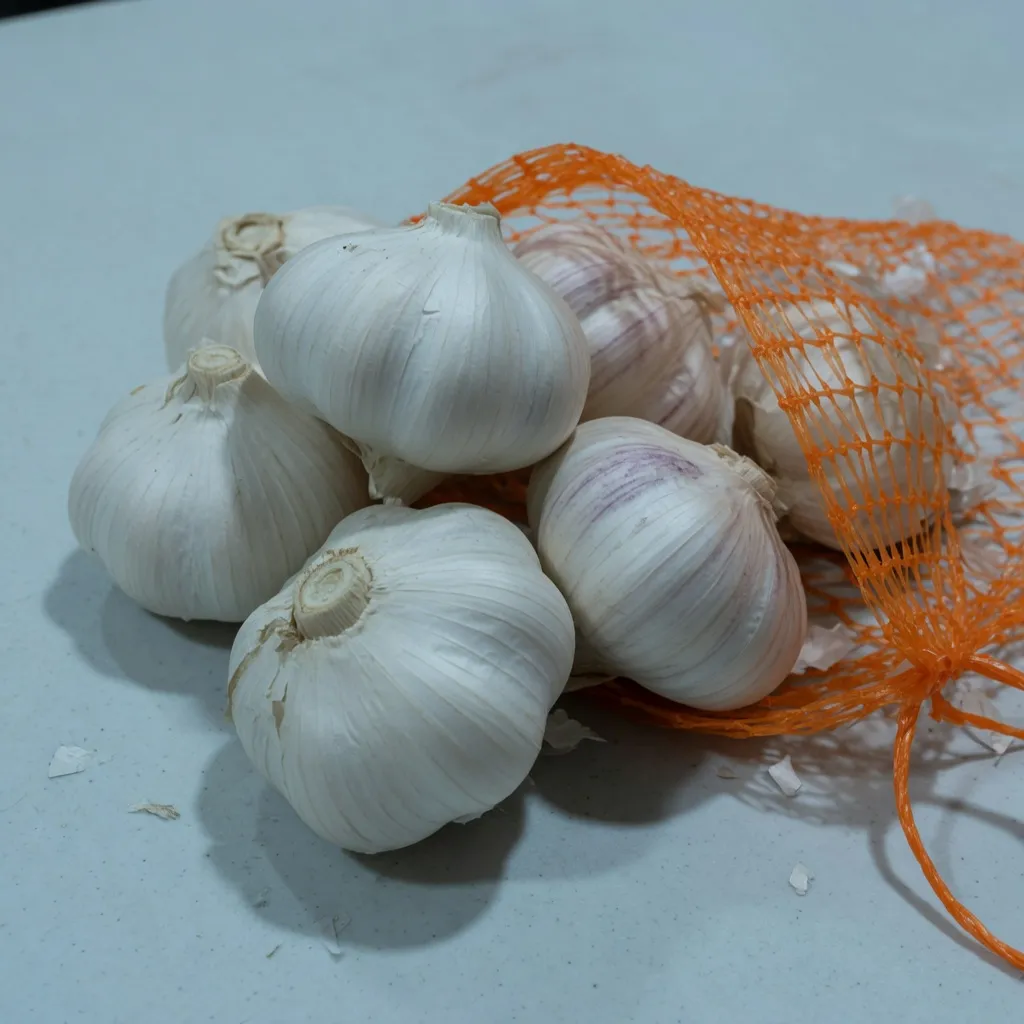
2026 New Crop Jinxiang Garlic: When Packing Actually Starts
Harvest still sits in late May–June. A quote in March is a position, not a pile on the floor.
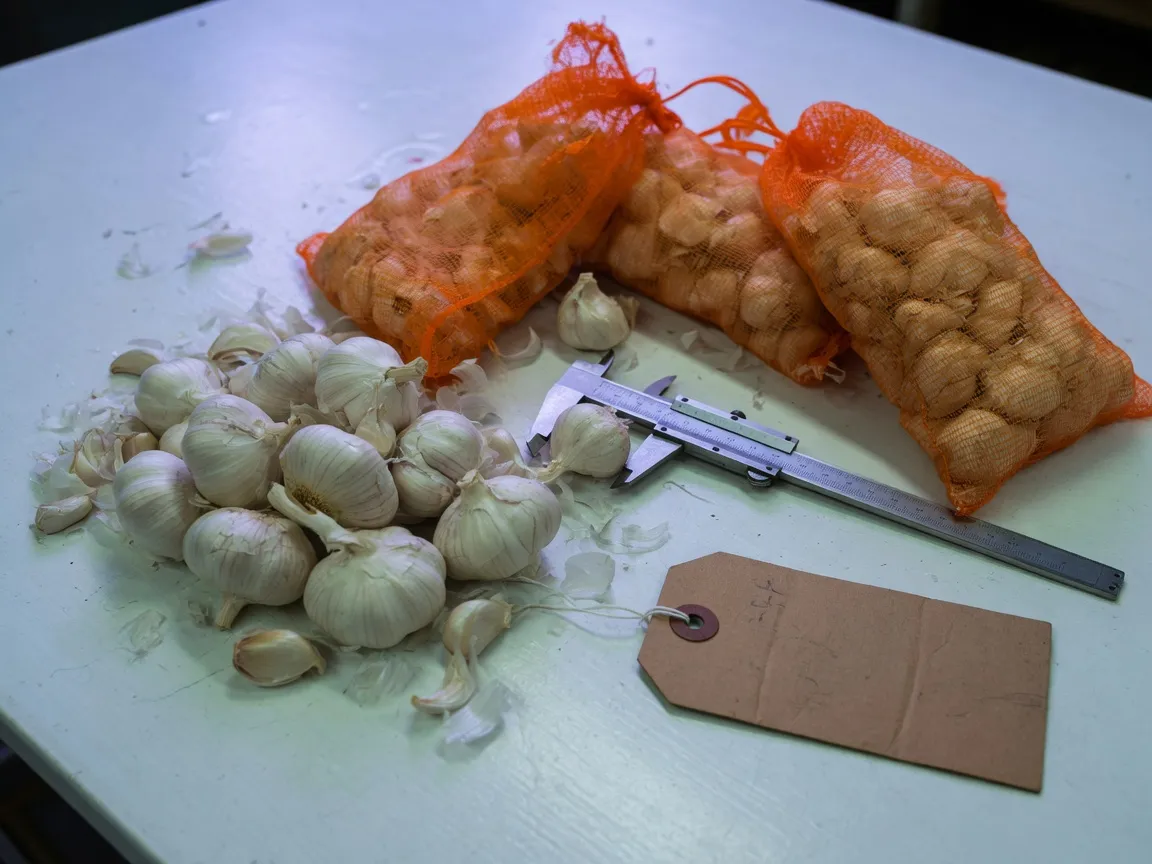
Chinese Garlic FOB Bands for 2026 Export Buyers
Public 2025–2026 listings sat roughly $550–$1,200 per ton for whole bulbs. Size and crop year move the number.

Why Indonesia Buys Jinxiang White Garlic by the Reefer
Indonesia is the volume market for Chinese fresh garlic. Buyers book cabinets, not supermarket bags.
Export destinations
FAQ
What is the usual order size?
Fresh garlic is usually sold by the 40-foot reefer, about 26–28 metric tons depending on pack. Peeled and black garlic can be smaller. Say the port and the pack.
Do you publish prices?
Each lot page shows a FOB China band. Garlic moves with crop year and size. CIF is quoted for a named port.
New crop or cold-store?
New crop runs roughly June to September. From September we ship from −3 °C store through the next May.