
Chinese Garlic, Trimmed Roots, and FDA Questions
Forum posts about sewage and missing roots are not a spec sheet. Ask for the test on the lot.

Search “Chinese garlic” and you will still hit rumours. Export bulbs are washed, roots trimmed, and sorted. A trimmed basal plate is a pack spec, not proof of a dirty field.
Why roots are trimmed
Importers ask for clean, dry, no-mould bulbs that stack. Roots and dirt are cut and washed in the packing house. That is normal export prep.
What a lot test looks like
Pesticide residue and heavy metals on the lot you ship — not a five-year-old PDF from another factory. We send what this lot has. We will not invent USDA Organic if the file is not there.
US buyers
Ask for the FDA facility registration number on the shipper and a residue report. See United States and the longer FDA guide.
EU buyers
Name the regulation on the first message. Peeled nitrogen lots into Rotterdam are a different conversation from whole bulbs into Jakarta.
Related news
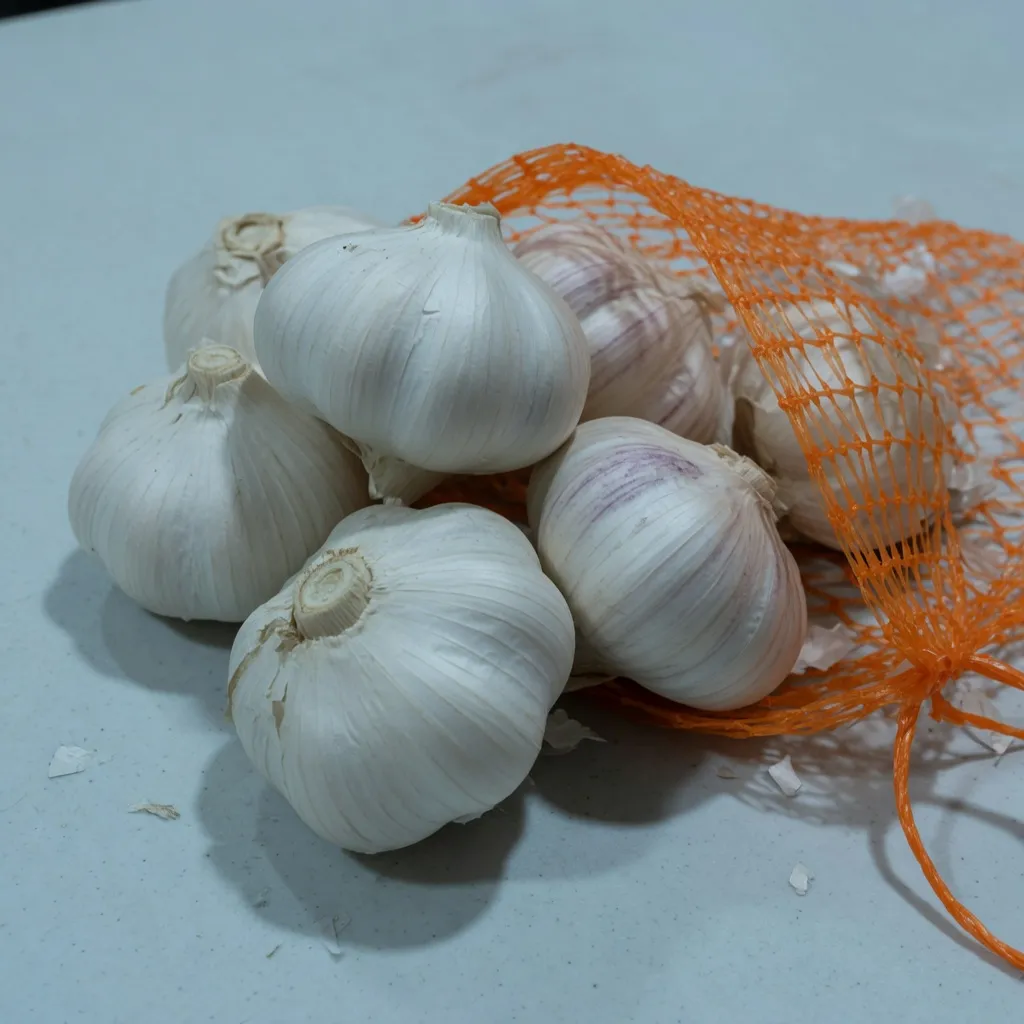
2026 New Crop Jinxiang Garlic: When Packing Actually Starts
Harvest still sits in late May–June. A quote in March is a position, not a pile on the floor.
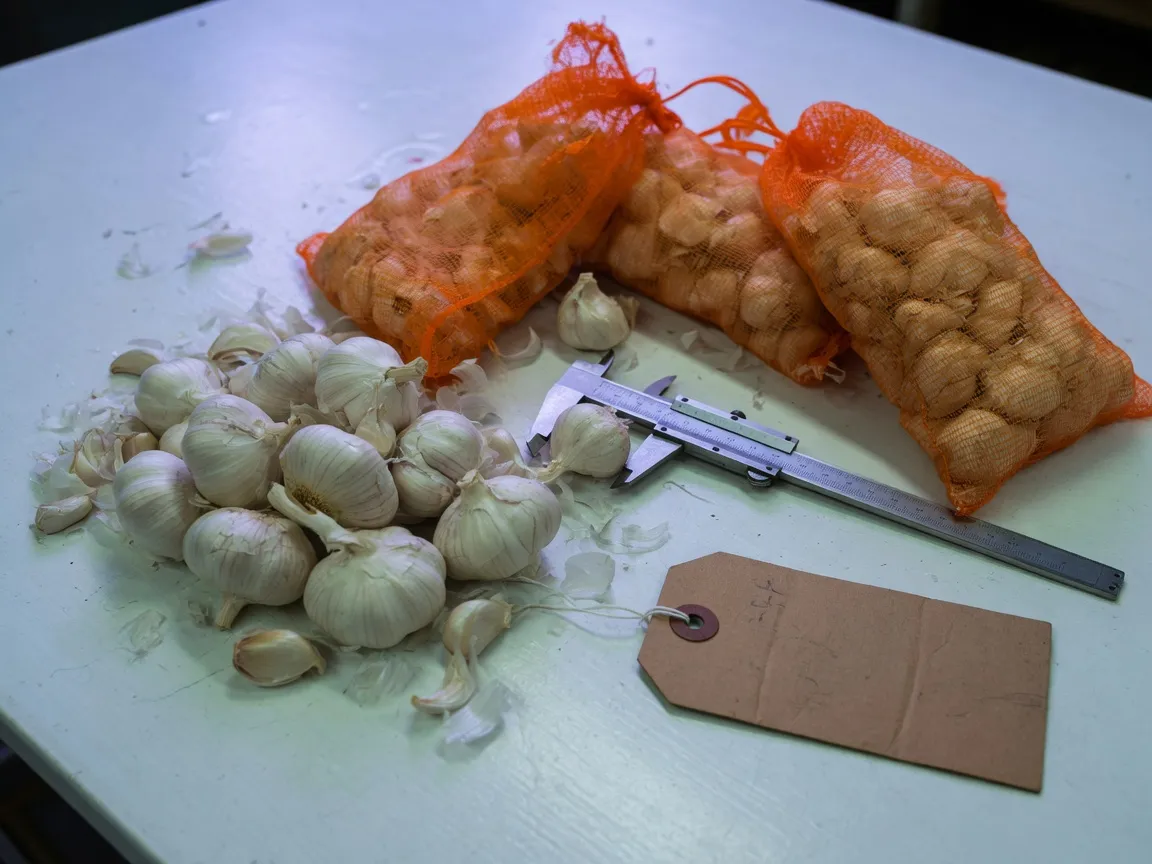
Chinese Garlic FOB Bands for 2026 Export Buyers
Public 2025–2026 listings sat roughly $550–$1,200 per ton for whole bulbs. Size and crop year move the number.

Why Indonesia Buys Jinxiang White Garlic by the Reefer
Indonesia is the volume market for Chinese fresh garlic. Buyers book cabinets, not supermarket bags.
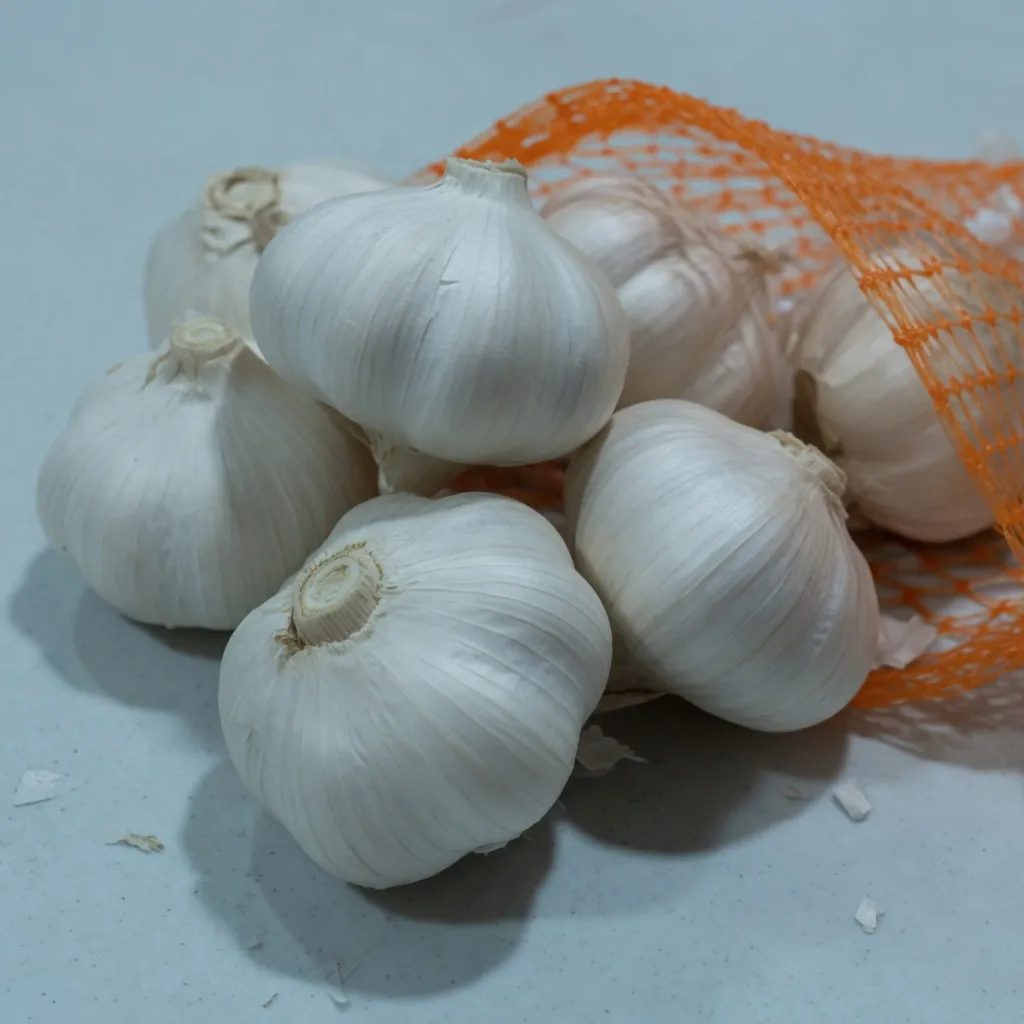
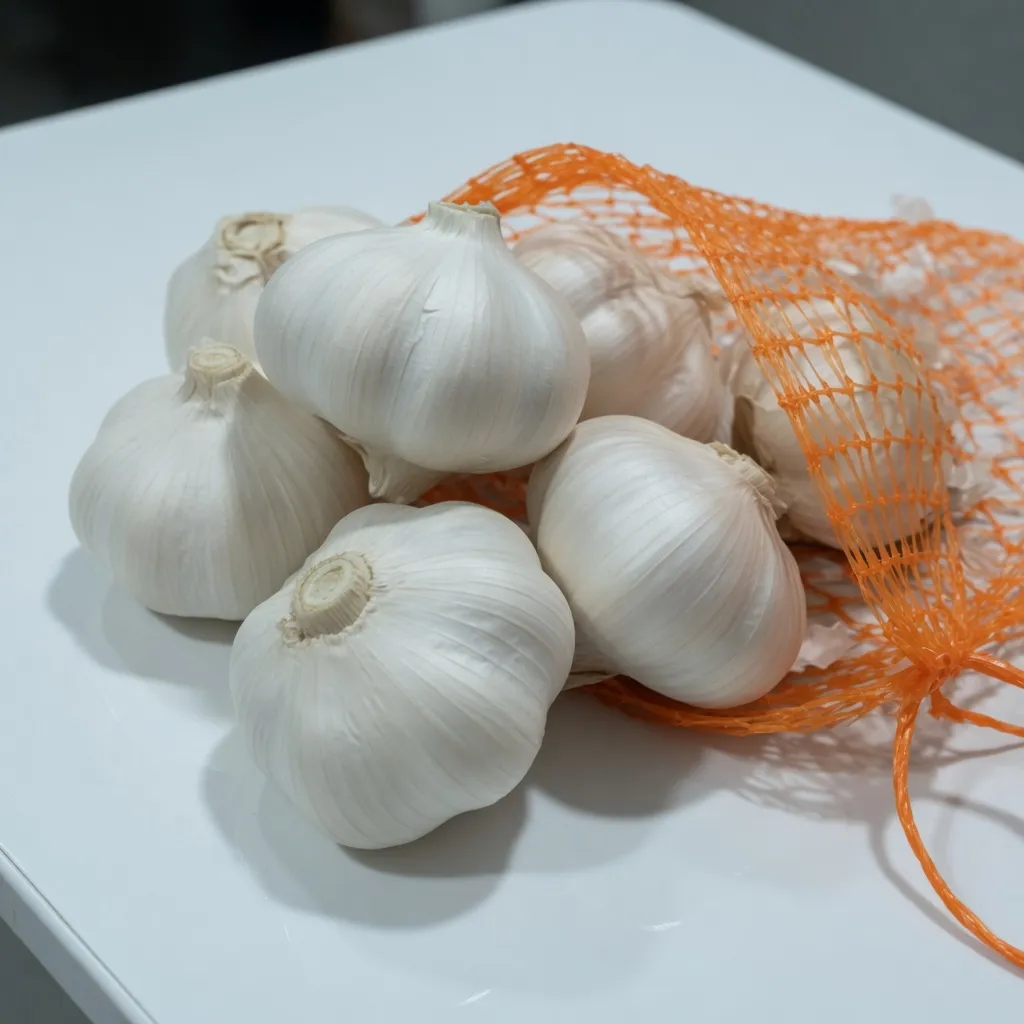
Export destinations
FAQ
What is the usual order size?
Fresh garlic is usually sold by the 40-foot reefer, about 26–28 metric tons depending on pack. Peeled and black garlic can be smaller. Say the port and the pack.
Do you publish prices?
Each lot page shows a FOB China band. Garlic moves with crop year and size. CIF is quoted for a named port.
New crop or cold-store?
New crop runs roughly June to September. From September we ship from −3 °C store through the next May.